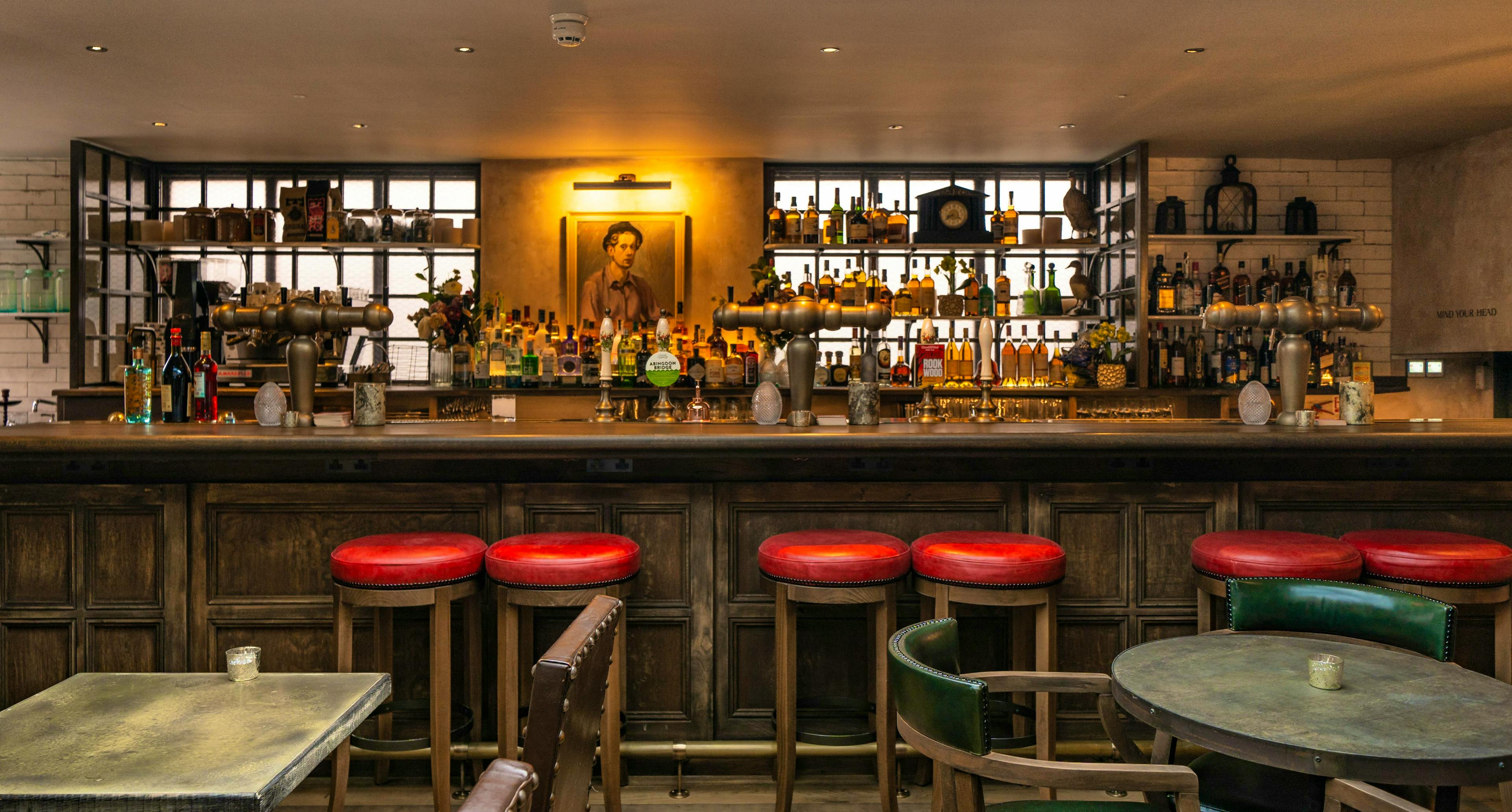
A love letter to British pubs you can stay in
Pubs you can stay in have a quiet appeal. They don’t promise spectacle or excess. What they offer instead is familiarity, warmth and a sense of ease that’s hard to replicate elsewhere. The pleasure lies in the ordinary things done well — and in the simple luxury of not having to leave when the evening winds down.
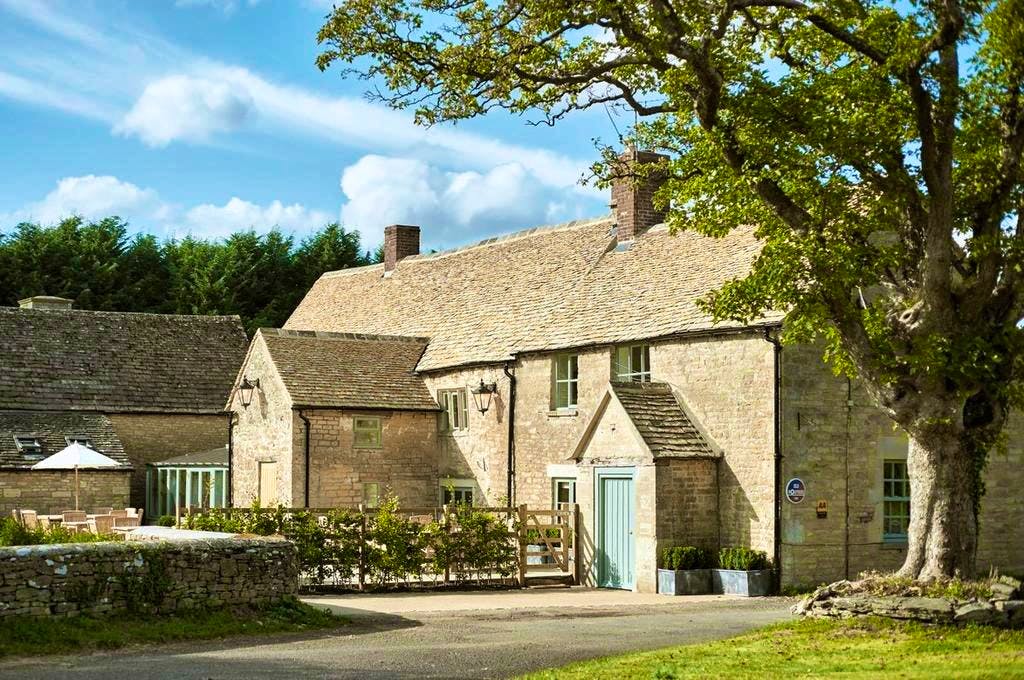
Buildings shaped by time
Staying overnight allows you to notice them more. You move through the building at different hours, seeing it shift from lively to calm, from social to private. Once the bar empties and the doors are locked, the pub feels quieter, softer — as though it’s settling back into itself.
In the Cotswolds, this often means stone walls that hold warmth long after the fire has burned low. In Devon, it might be coastal light or salt air creeping in through old frames. In Cumbria, pubs feel grounded and solid, shaped by their landscape as much as by their past.
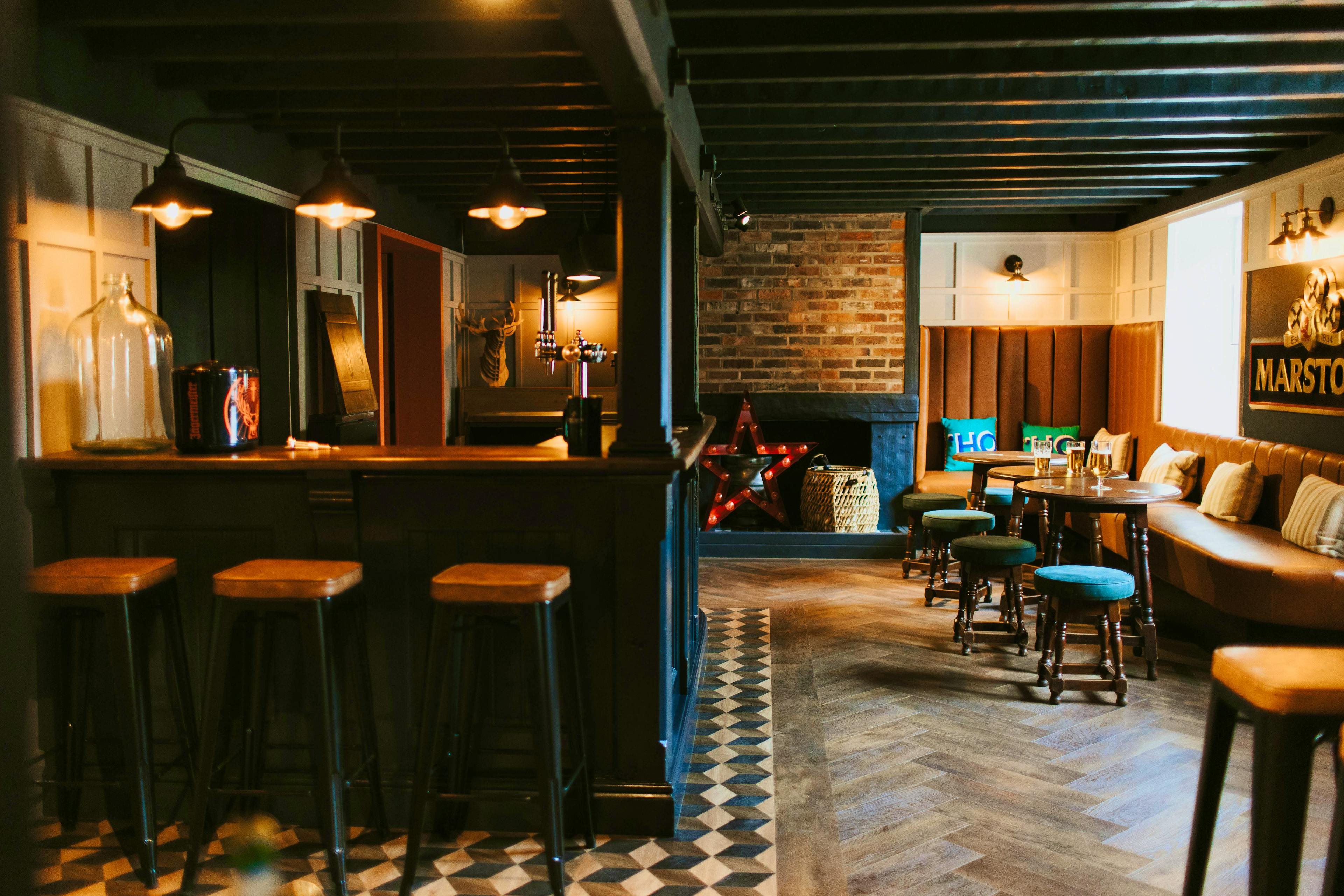
The pub as a shared space
As a guest, you’re part of this without needing to perform. You sit, eat, listen. There’s comfort in that anonymity — being welcomed without fuss, allowed to simply exist within the space.
Later, when things quieten down, the pub feels almost domestic. Chairs are stacked, lights dimmed, the fire left glowing faintly. You head upstairs knowing that the night ends exactly where it began.
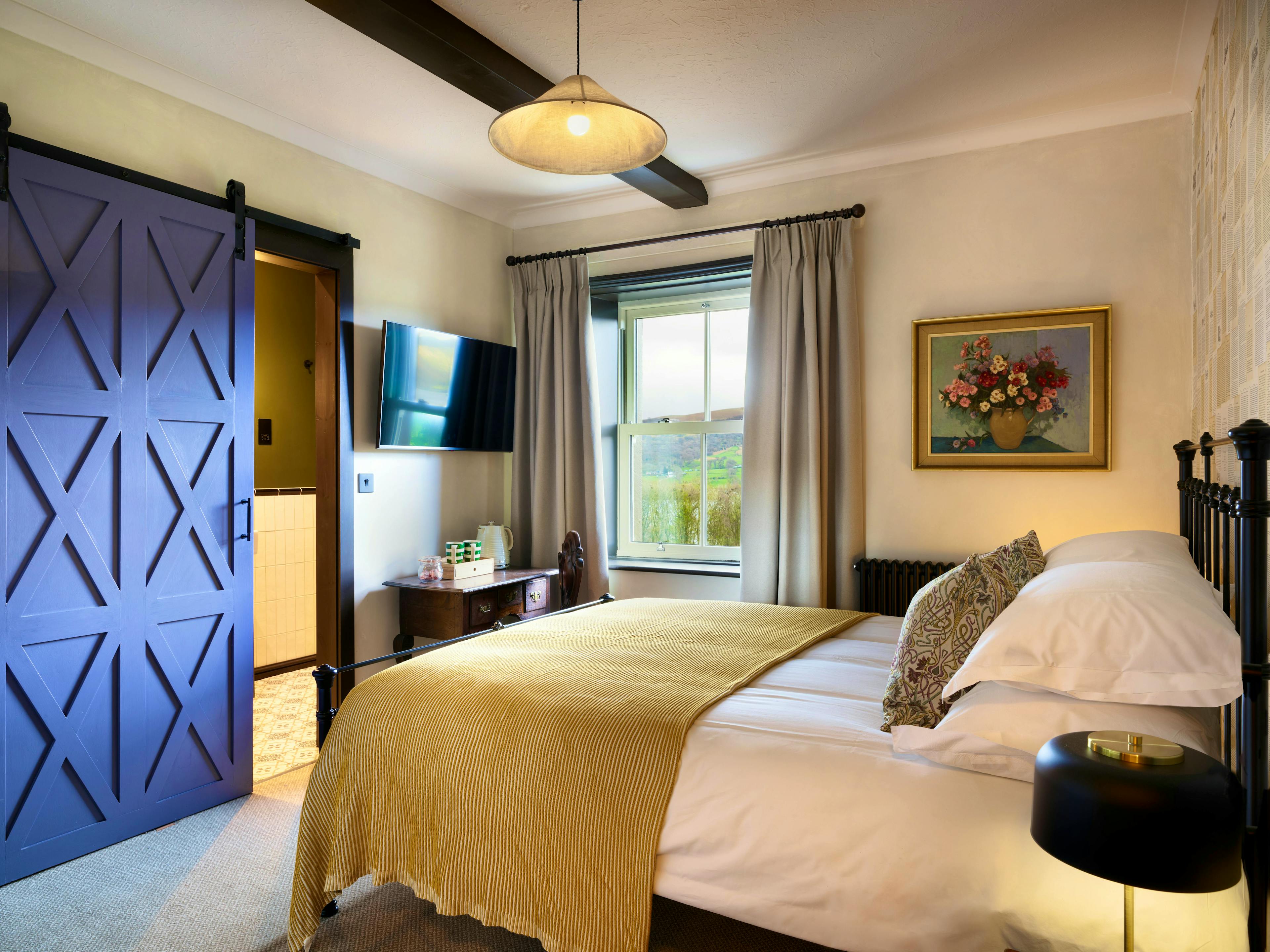
Sleeping where the evening happened
You sleep well. Not because anything is extravagant, but because everything feels settled.
In the morning, the atmosphere shifts again. Corridors are quiet. Breakfast is prepared downstairs. The pub wakes slowly, without urgency. You come down when you’re ready, greeted not as a new arrival but as someone already familiar.
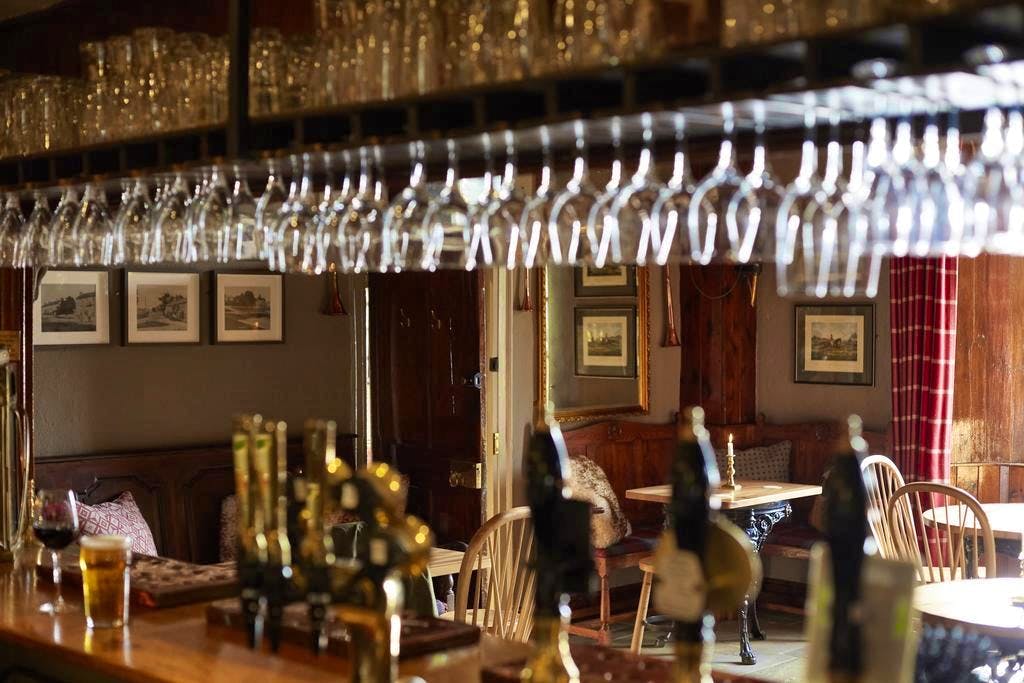
Mornings without rush
You might chat briefly with the people running the place, or sit quietly and watch the light change through the windows. Plans can wait. The pub doesn’t ask anything of you beyond enjoying the moment.
Staying overnight gives you access to this gentler side of the pub — the part most visitors never see.
Places that stay with you
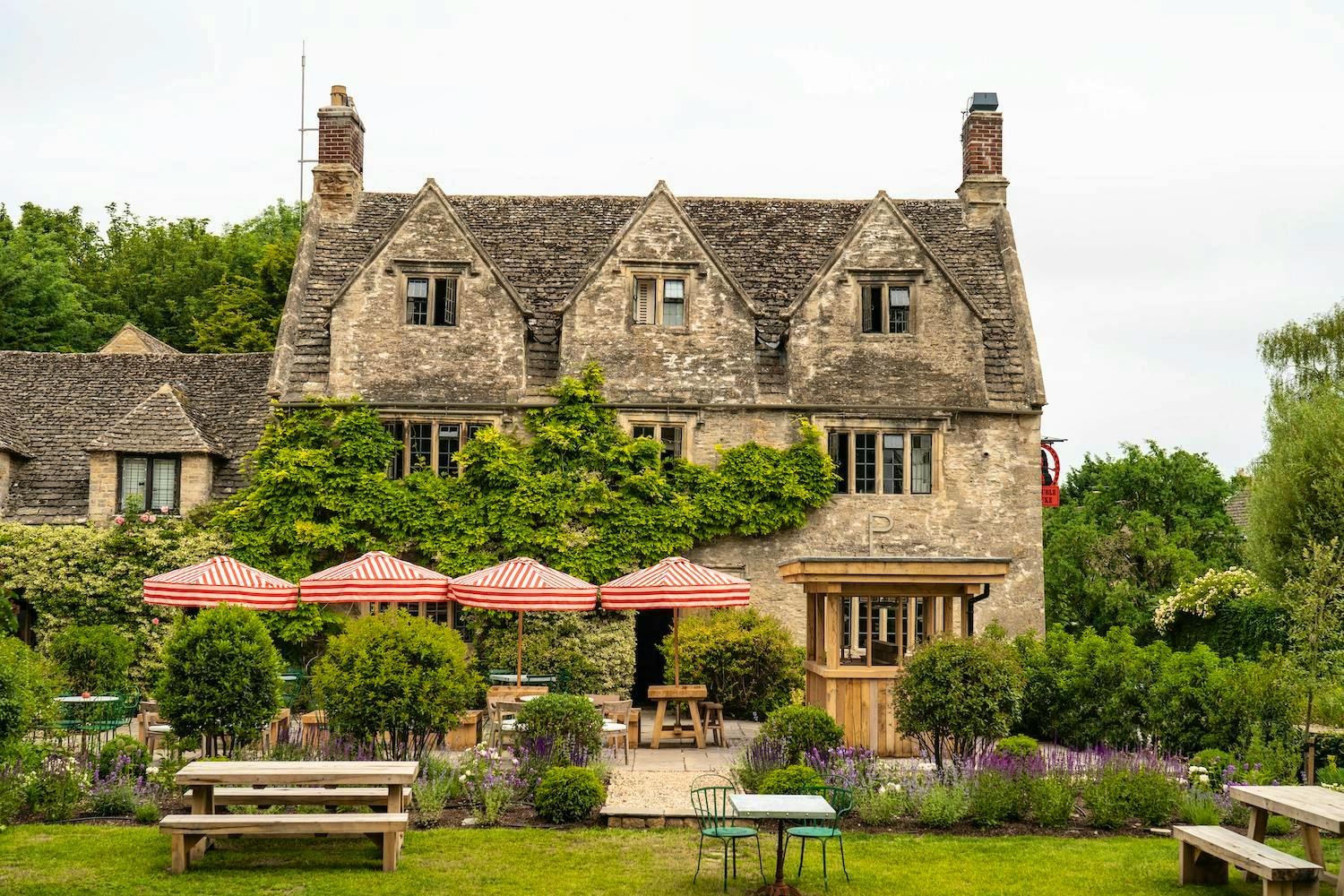
In the Peak District, pubs often become natural stopping points at the end of long walks, offering warmth and familiarity. In rural Oxfordshire they fit easily into slow days spent wandering villages and lanes. In Cornwall they offer a stopping off point after a day on the beach.
These places don’t try to impress. They simply make you comfortable enough to stay longer than planned.
The pleasure of staying put
That freedom changes how you experience the night. The pub stops being a destination and becomes a backdrop — a place you’re part of rather than passing through.
In a world that often encourages constant movement, that feeling of staying put can be quietly restorative.
Why pubs make such good places to stay
Staying in a pub offers a kind of hospitality that feels human. There’s less structure, less distance. You’re welcomed, looked after, and left to enjoy yourself without ceremony.
It’s this informality that makes pub stays feel grounding. You’re not removed from the place you’re visiting; you’re temporarily part of it.
A very British way to travel
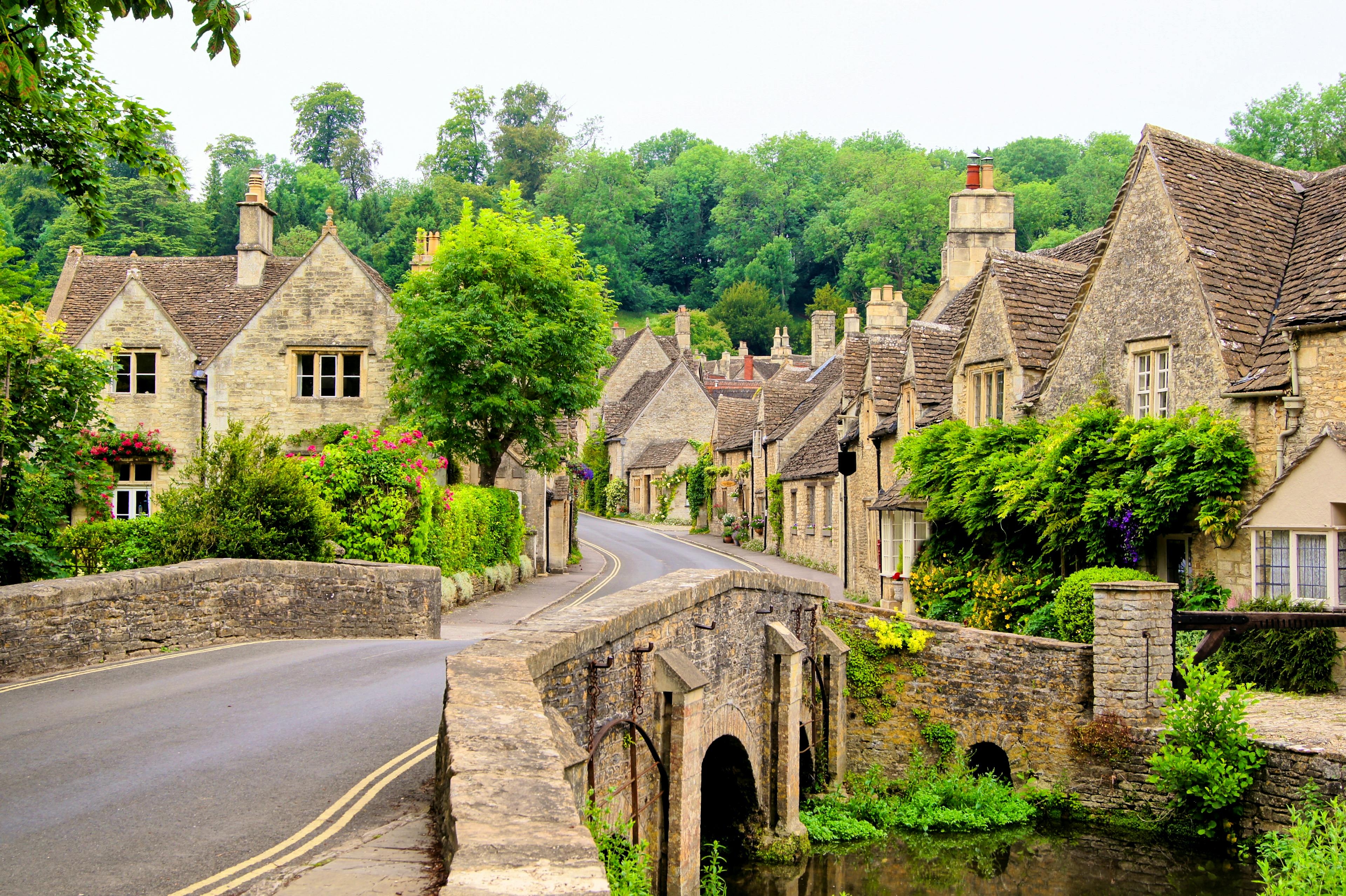
Pubs you can stay in tend to feel rooted and genuine, shaped by everyday use rather than design trends. They sit comfortably within their surroundings, offering shelter, warmth and familiarity without trying to stand apart from the world around them.
Why we return to them
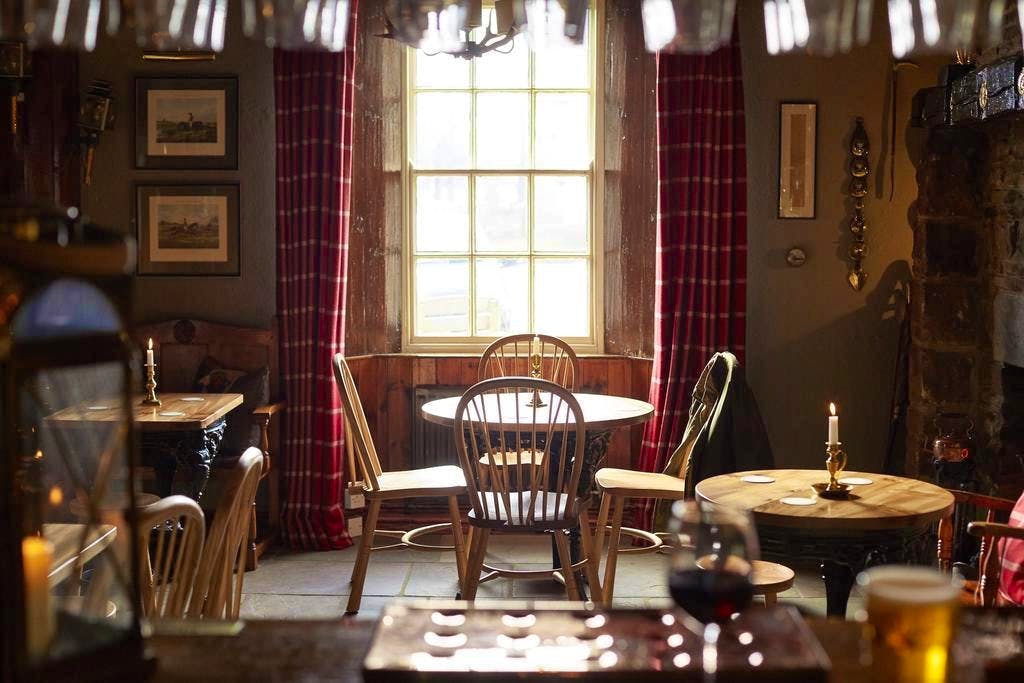
For one night or a few, you’re allowed into a space that carries on whether you’re there or not. You sleep, eat and wake within its walls, then leave quietly, knowing it will be ready for the next guest. That sense of continuity is part of the appeal. And it’s why pubs you can stay in continue to hold such a steady place in how we like to travel.
A pub you can stay in is a traditional pub that also offers on-site accommodation, usually in rooms above the pub or in nearby buildings, allowing guests to stay overnight as part of the pub experience.
Pub stays often feel more relaxed and personal than hotels, offering warmth, familiarity and a sense of belonging alongside good food and drink.
Yes. Pub stays are ideal for short breaks, providing an easy, low-effort way to unwind without the need for busy itineraries or extensive planning.
Well-run pubs are naturally welcoming spaces, where guests can feel comfortable without needing to engage heavily, enjoying the atmosphere at their own pace.
A pub stay offers a slower, more grounded experience, combining relaxed evenings, restful nights and gentle mornings in a familiar, lived-in setting.
Pub stays work particularly well for couples, offering cosy rooms, relaxed dining and the chance to spend unhurried time together in an informal environment.
Quality pub stays are designed with guest comfort in mind, with rooms positioned or insulated to ensure a peaceful night once the pub closes.
Most pub stays include breakfast, allowing guests to enjoy a calm start to the day downstairs without needing to leave the building.
Unlike many accommodations, pub stays combine lodging with a social space, creating a layered experience that feels connected to everyday life rather than separate from it.
Coolstays curates pubs you can stay in based on character, comfort and atmosphere, helping guests choose places that offer more than just a bed for the night.