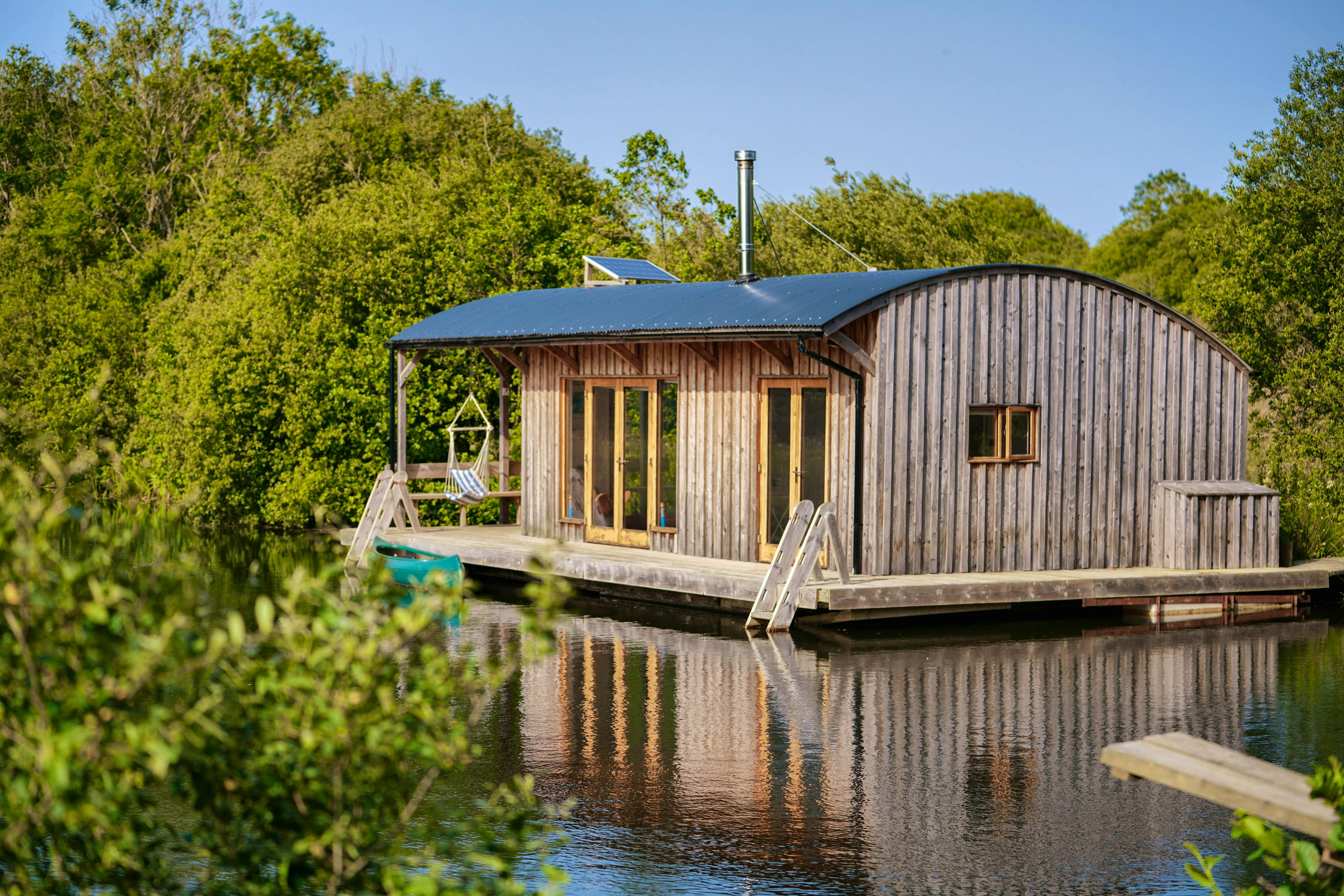
From canals to coastlines: The many places boatels take you
Boatels have grown far beyond novelty value. Yes, there’s still the pleasure of sleeping aboard a beautifully restored barge or a characterful houseboat. But what makes them special isn’t simply that they float, it’s where they take you. From sleepy canals to wide-open coastlines, they open up settings you might never otherwise choose for a short break.
Here’s a look at the many landscapes and waterscapes that boatels call home, and why each one offers something completely different.

Canals and rivers
On the canals, life moves gently. Towpaths edged with wildflowers replace old working routes. Narrowboats glide past at walking pace. You might wake to early joggers and cyclists, or to the quiet hum of a kettle in a neighbouring boat. There’s a calm rhythm here that feels built in.
Staying on a canal boatel often means being moored close to villages and market towns. Step off the deck and you’re a short stroll from independent cafés, waterside pubs and weekend markets. Spend the morning exploring, then return to your floating base for an afternoon read with the doors open to the water.
Rivers, meanwhile, feel wider and more open. Depending on where you stay, you might look out across reedbeds and big skies, or towards willow trees dipping into slow-moving currents. Wildlife is part of the experience, ducks and swans drifting by, the flash of a kingfisher if you’re lucky.
These stays suit travellers who want access to the countryside without feeling cut off. You’re immersed in nature, but rarely remote. It’s an easy-going kind of escape that’s restorative without requiring too much effort.

Harbours and marinas
In working harbours, you’re woven into daily life. Watch the morning’s catch being unloaded, wander along the quay for fish and chips, or settle into a waterside restaurant as the sun dips behind rows of bobbing boats. Staying on a boatel in this setting means you’re part of the scene, not just observing it from the shore.
Marinas, on the other hand, often feel a little more tucked away. Rows of yachts create sheltered walkways across the pontoons. Evenings can be surprisingly peaceful once day-trippers have gone home. It’s easy to forget how close you are to busy seaside towns until you step ashore and find yourself among shops, galleries and beaches.
Coastal boatels are ideal for those who like their breaks with a bit of sea air and seafood on the side. You get the character of a seaside stay, but with the added perspective of being gently rocked to sleep by the tide.
Lakes and lochs
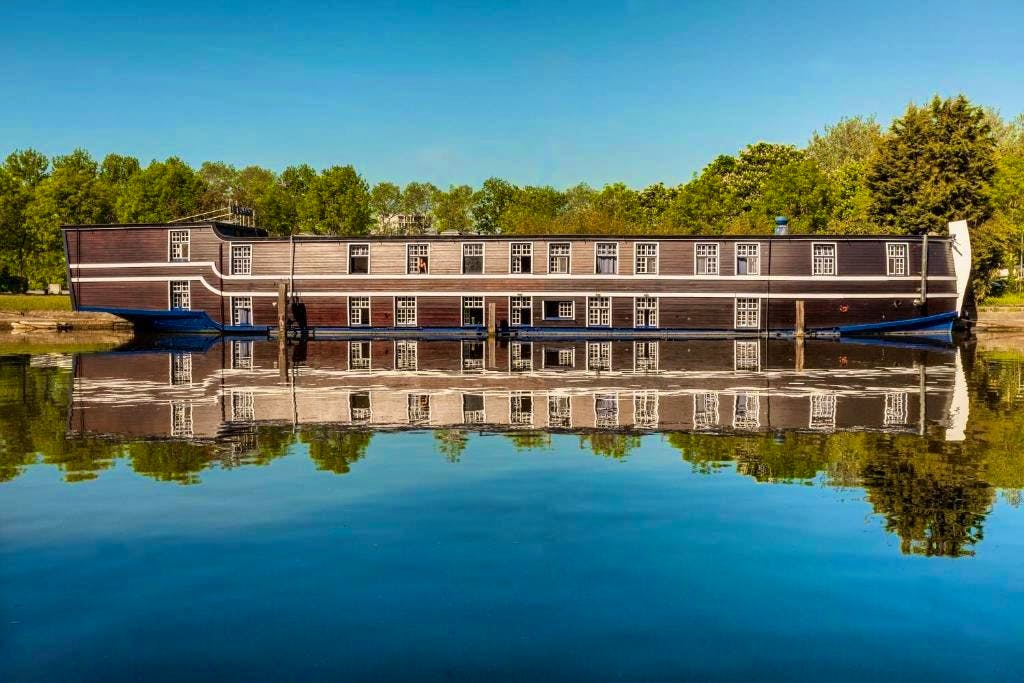
A boatel moored on a lake offers wide horizons and ever-changing reflections. Mornings can be glassy and still, mist rising from the surface. By afternoon, the water might ripple under a shifting breeze. The landscape - hills, forests, sometimes mountains - feels bigger somehow when viewed from the waterline.
In more remote settings, particularly around lochs, there’s a pleasing sense of seclusion. Fewer boats, fewer people. Evenings are often quiet enough to hear birds calling across the water. On clear nights, the stars can feel close and bright without light pollution.
These stays tend to appeal to those who want proper downtime. Days might revolve around walking nearby trails, swimming straight from the deck in summer, or simply sitting wrapped in a blanket with a hot drink, watching the light change.
Lakeside boatels can also be surprisingly well-equipped. Many have been thoughtfully designed to include cosy living spaces, compact kitchens and even wood-burning stoves. It’s comfort without excess, encouraging you to spend more time outside and less time scrolling.
For anyone who loves big landscapes and a feeling of escape, lakes and lochs offer a powerful backdrop.
Urban waterways
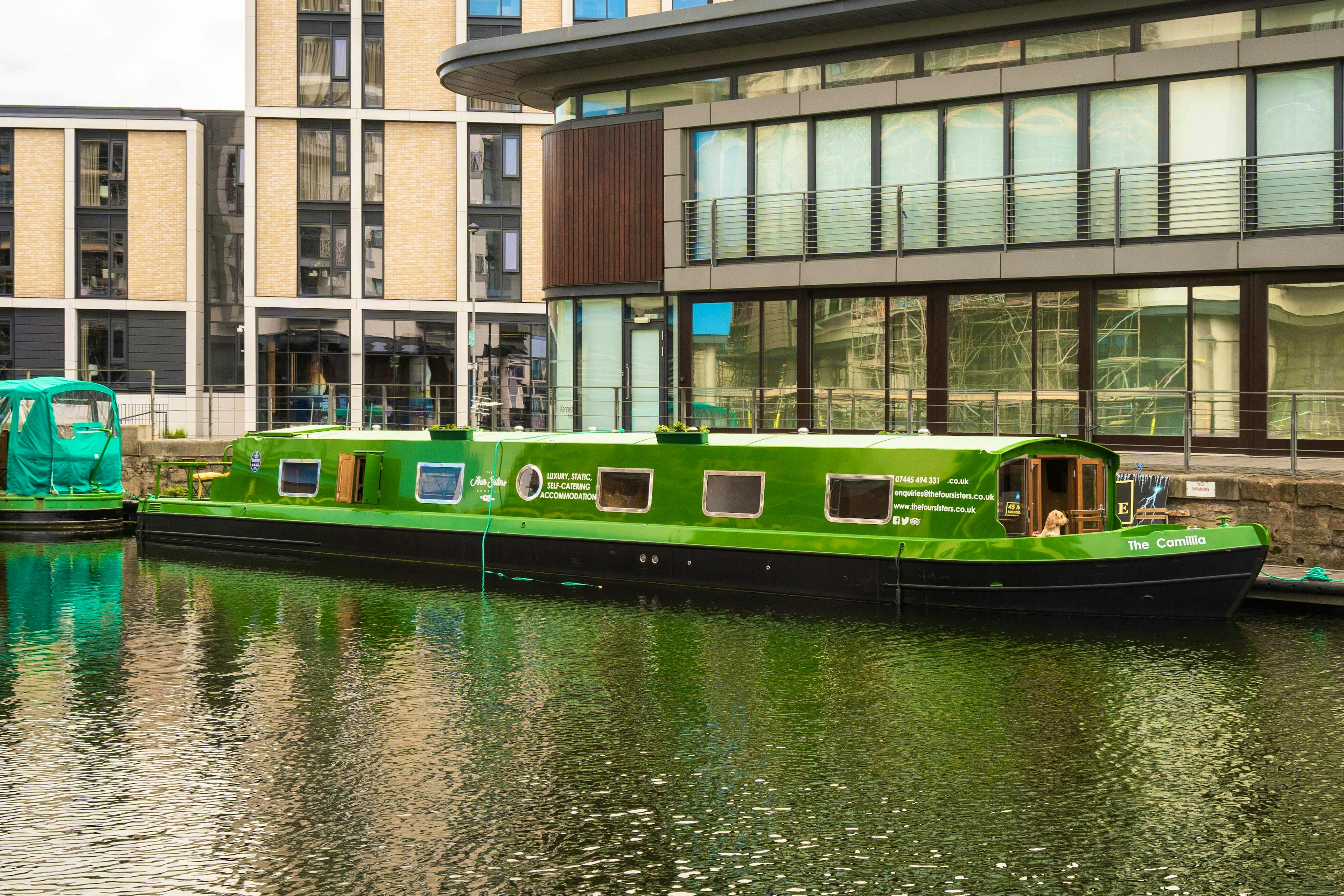
Urban waterways have seen a revival in recent years, and staying aboard a boat in these areas offers a fresh way to experience familiar destinations. Instead of checking into a standard city-centre hotel, you step onto a floating home moored along a regenerated dock or canal basin.
The contrast is part of the appeal. You might spend the day exploring galleries, shops and restaurants, then return to your boatel for a quieter evening by the water. City sounds soften slightly when filtered through the lapping of the canal.
Many urban boatels are cleverly styled, making the most of compact spaces. Expect clever storage, rooftop decks, and windows positioned to frame waterside views. Some feel contemporary and minimal; others retain original features that nod to their working past.
Staying on a boat in a city can also change your perspective. Waterside paths offer alternative routes between neighbourhoods. Morning coffee tastes different when enjoyed on deck with reflections of brick warehouses in the water.
For couples seeking a different kind of city break, or solo travellers who prefer something with character, urban boatels offer individuality without sacrificing location.
Hidden corners you’d never otherwise stay in
Because they float, they can be moored in spots that don’t lend themselves to traditional accommodation. A quiet stretch of river beyond a busy town. A tiny harbour that would be overlooked in favour of larger resorts. A secluded cove on a lake, framed by woodland.
These are places that might not have a hotel or holiday cottage, but they have a pontoon and a view.
Staying in these lesser-known locations can shift the focus of a trip. Instead of travelling somewhere because it’s established as a destination, you go because the setting itself is appealing with calm water, open sky, a sense of remove.
It also encourages a different relationship with your surroundings. You notice weather patterns more closely. You pay attention to tides, to changing light, to the way water reflects colour at dusk. The environment feels immediate and present.
Why it works
The best ones feel considered. Interiors are often compact but well planned, with comfortable beds, proper showers and small kitchens that make self-catering easy. Many have outdoor decks that act as extra living space in warmer months. It’s all about making life on the water feel effortless rather than cramped.
But it’s the variety of settings that truly sets them apart. A canal barge in the countryside offers something entirely different from a yacht in a marina or a houseboat in a city dock. You can tailor your break to suit your mood.
There’s also a built-in shift in pace. Water seems to slow things down. Even in busier locations, there’s a sense of separation from the rush of roads and pavements. You’re close to activity, but not fully immersed in it.
Ultimately, boatels broaden the idea of where you can stay. They invite you to consider waterways as destinations in their own right, rather than just scenic backdrops.
From canals to coastlines, lakes to city docks, they offer new vantage points on familiar landscapes, and sometimes entirely new landscapes altogether. And that’s what makes them more than just somewhere to sleep. They’re a different way of seeing the places you visit, one gentle ripple at a time.
A boatel is accommodation on a boat that’s permanently or semi-permanently moored in one location. It offers the experience of staying on the water, often with the comforts of a small apartment or holiday cottage.
No. Most boatels are stationary stays, meaning you don’t need to drive or navigate the boat. You simply check in and enjoy your time on board.
Boatels can be found on canals and rivers, in coastal harbours and marinas, on lakes and lochs, and along urban waterways in cities and regenerated docklands.
Many boatels are well insulated and equipped with heating, making them comfortable throughout the year. Summer offers open-deck living, while colder months can feel especially cosy on board.
Most boatels include comfortable beds, a bathroom with shower, a compact kitchen or kitchenette, and a living area. Some also have outdoor decks, wood-burning stoves or rooftop seating.
Boatels are securely moored and generally very stable. You may notice gentle movement from passing boats or tides in coastal locations, but this is usually minimal.
Yes. Urban boatels offer a unique alternative to hotels, placing you right on the water while still within walking distance of shops, restaurants and attractions.
Absolutely. Some boatels are moored on quiet lakes, lochs or rural rivers, offering a more secluded experience with big views and fewer neighbours.
Some boatels welcome families, while others are better suited to couples due to space and layout. It’s always best to check the individual property listing for suitability.
The key difference is the setting. Staying on the water changes your perspective, slows the pace and offers a closer connection to canals, coastlines, lakes or city waterways.