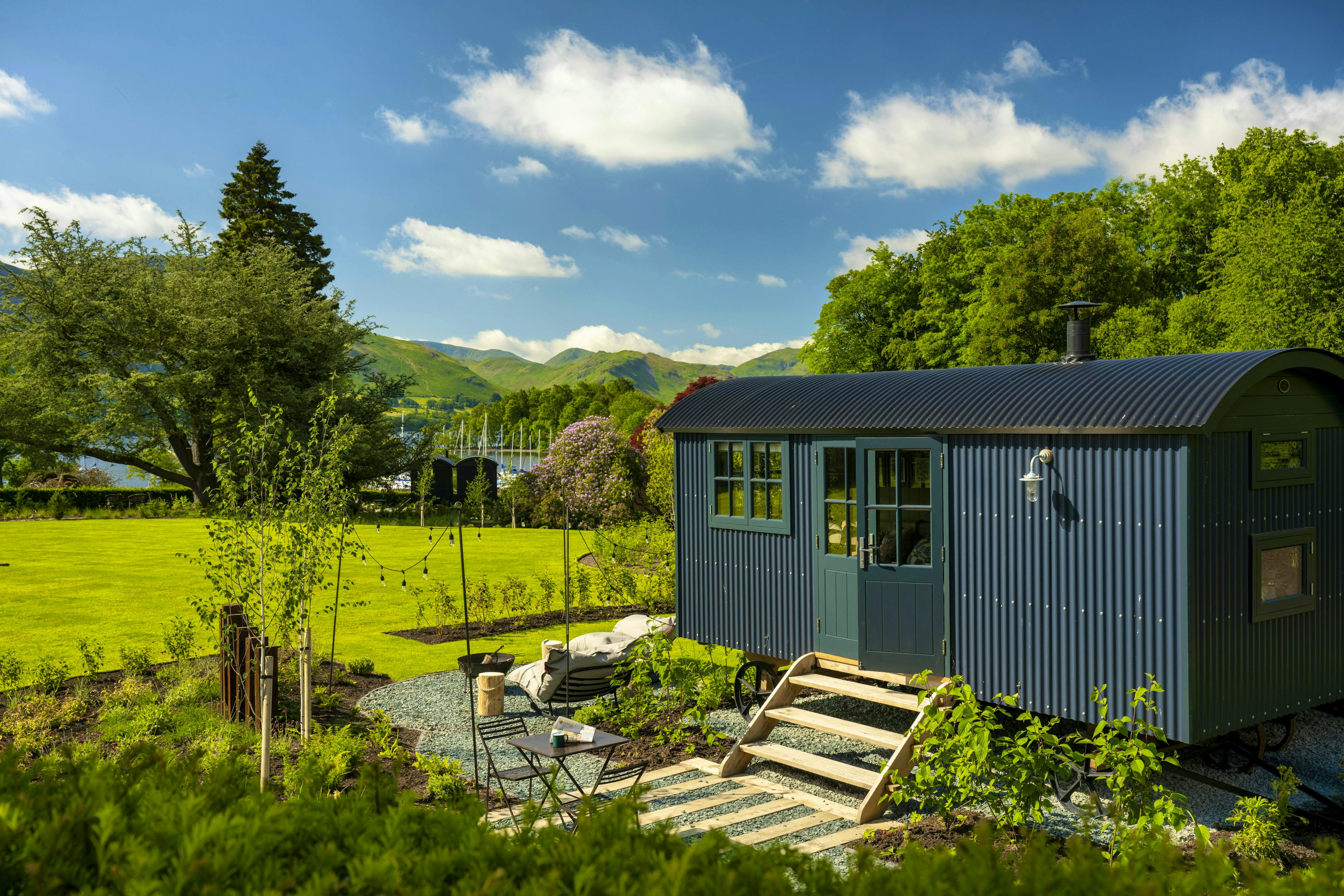
From fields to forests: Where shepherd’s huts take you
Unlike hotels or even cottages, shepherd’s huts can sit lightly on the land. They don’t need roads, foundations or neighbouring buildings. They can be tucked into working fields, cleared woodland, coastal edges or forgotten patches of farmland. And that freedom of placement changes the entire experience of a stay. You’re not visiting the countryside, you’re embedded in it.
This is a guide to the kinds of places shepherd’s huts take you. Not the facilities, not the layouts, but the settings themselves, and why they feel so different from anywhere else you might stay.
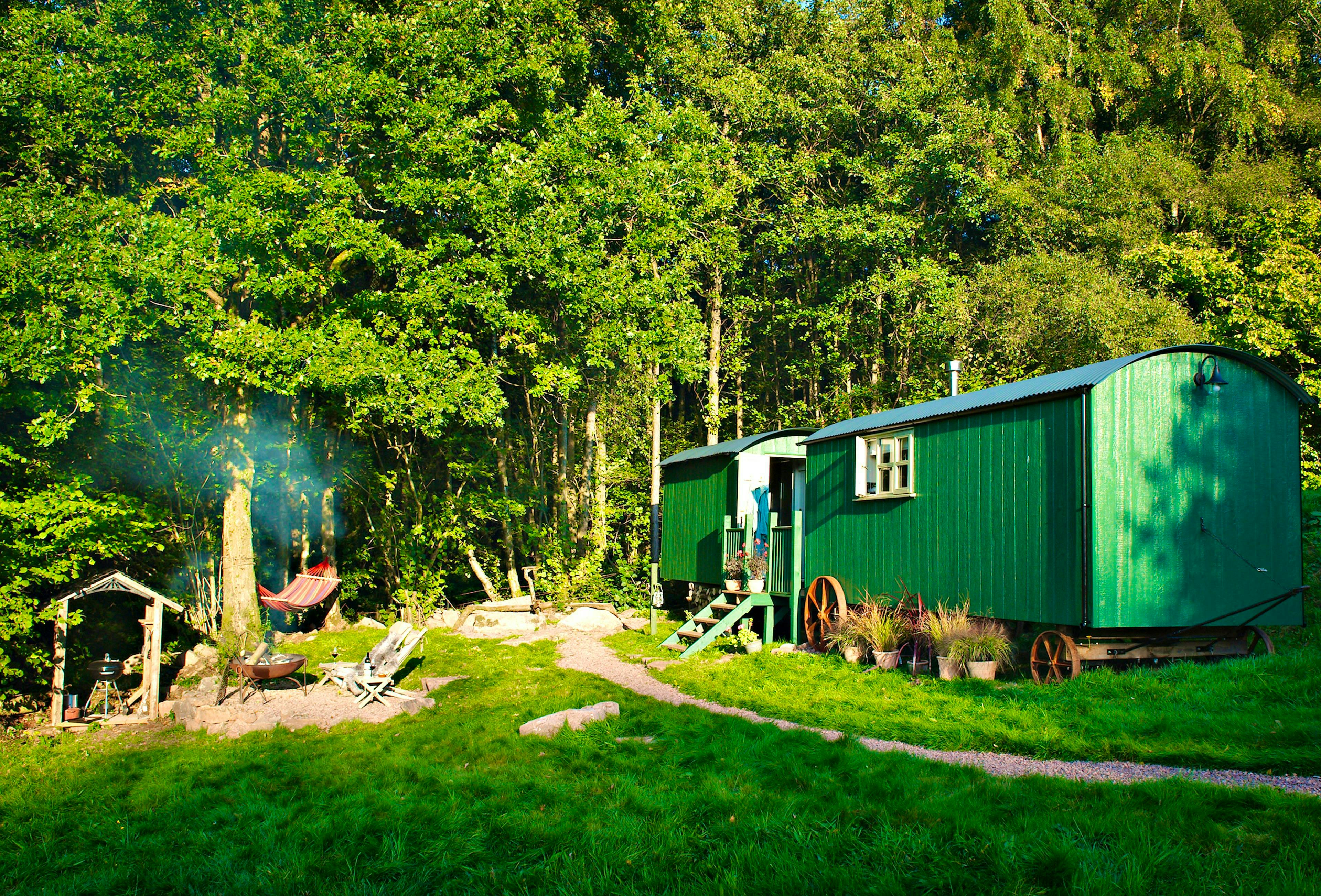
Woodland retreats
Staying in a woodland shepherd’s hut is about immersion. Light filters through leaves rather than windows opposite. Sounds are softened - birds, wind, the occasional rustle of movement beyond your view. Paths are informal, sometimes barely there, and the sense of being removed from everything else arrives almost immediately.
These stays are often deliberately simple. You might walk a short distance from where you park, carrying bags rather than wheeling them. Evenings are shaped by firelight and darkness rather than screens. The woods set the rhythm: earlier nights, slower mornings, long stretches of quiet.
What makes woodland huts so special is the feeling of being hidden. Not isolated, but unseen. They’re ideal for people who want to disappear for a while, to trade constant visibility for something softer and more private. The hut becomes a small, steady presence in a much larger natural world, encouraging you to look outward rather than inward.
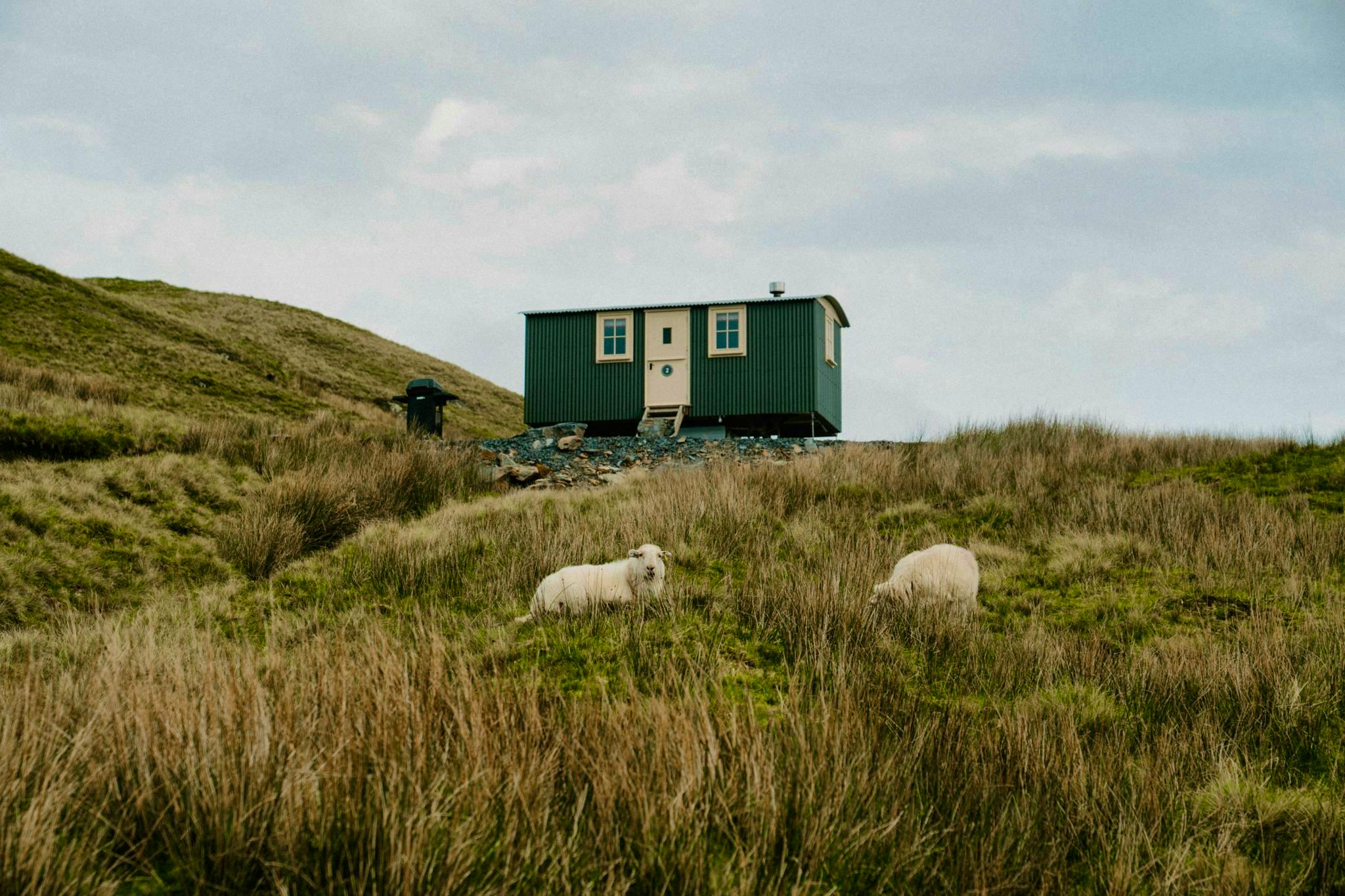
Working farms
Staying on a farm offers a completely different perspective on the countryside. You wake to the quiet efficiency of rural work rather than curated calm. Tractors move in the distance. Animals follow their own routines.
Shepherd’s huts fit naturally into these environments. Historically practical and mobile, they feel at home among barns, hedgerows and pastureland. Often positioned at field edges or overlooking open ground, they allow guests to observe without intruding.
These stays are grounding in a way few others are. You become aware of seasons, weather and time in practical terms. Meals feel earned after walks across farmland. Evenings feel quieter because the day has been full in a different way. For anyone curious about rural life, farm-based shepherd’s huts offer rare access.
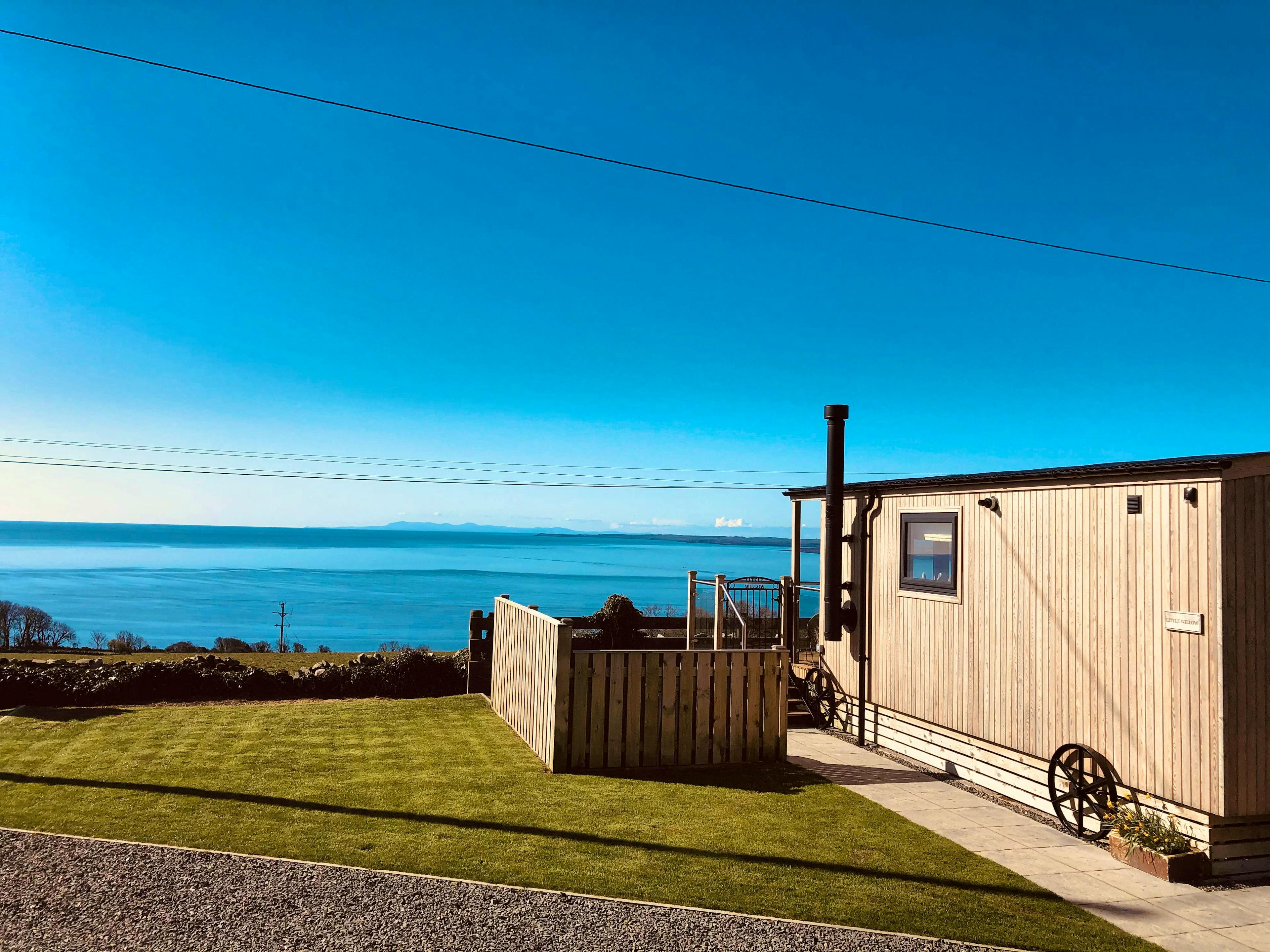
Coastal destinations
A coastal hut might overlook cliffs, dunes or wide stretches of open water, often from positions where permanent buildings would never be approved. This creates a sense of intimacy with the landscape that’s hard to find elsewhere. You’re not just near the coast — you’re part of it.
Days here are shaped by tides, weather and light. You might walk straight from your door to a coastal path, return sandy and windblown, then warm up somewhere compact and welcoming. Evenings are often about watching the sky shift rather than going out.
What makes these stays particularly compelling is their contrast. The openness of the sea paired with the containment of the hut creates balance — expansive views without expansive living. It’s coastal living stripped back to its essentials, where the location does most of the work and the accommodation simply supports it.
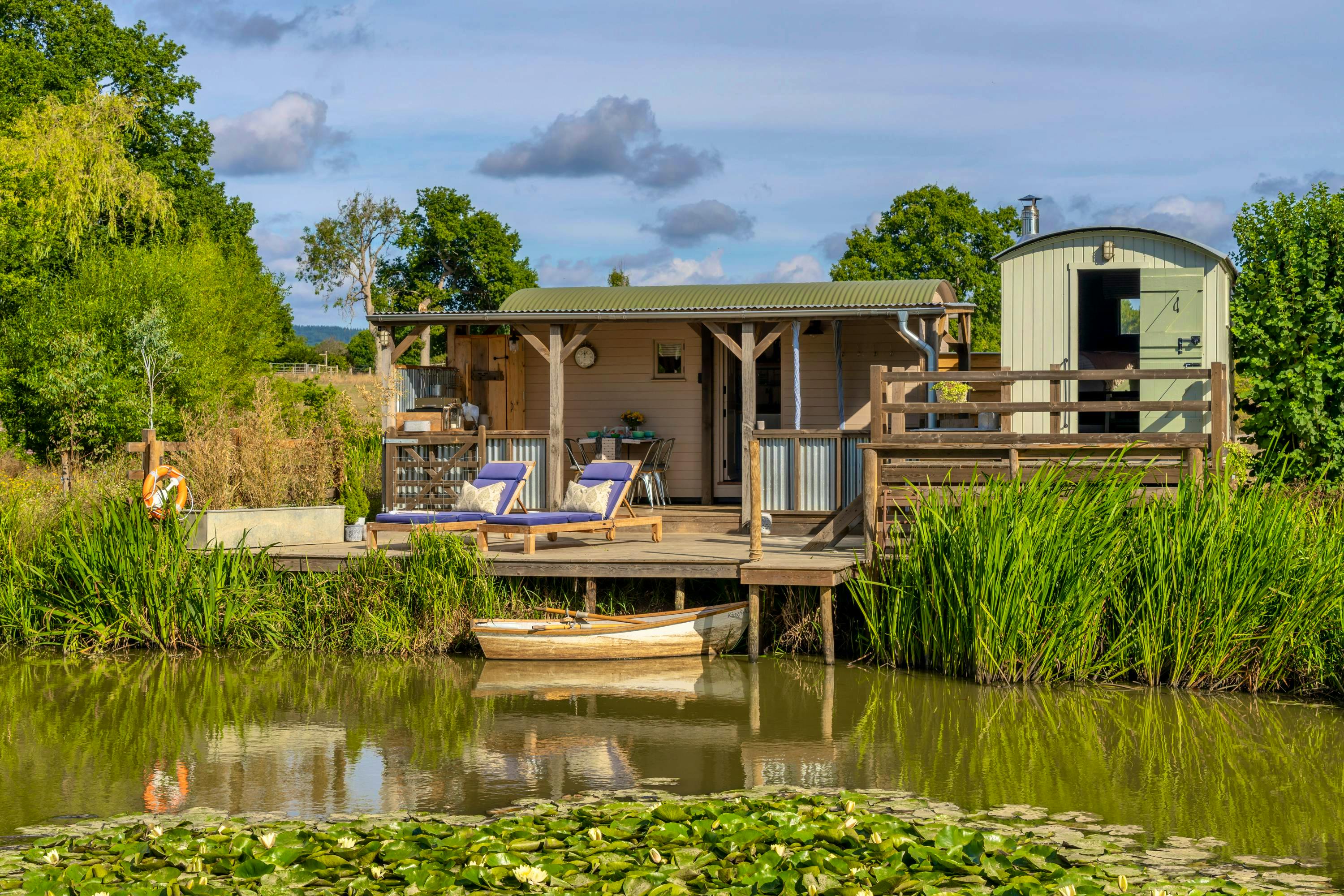
Lakeside living
These locations tend to encourage stillness. You notice small changes: ripples on the surface, mist in the morning, the way sound carries across water at night. Activities are gentle rather than adrenaline-led, so you can while away afternoons swimming, paddleboarding, walking, or simply sitting.
Shepherd’s huts work especially well here because they don’t dominate the view. They allow the landscape to remain the focal point, acting as a quiet base rather than a statement. From inside, windows frame water rather than buildings. From outside, the hut often blends into its surroundings.
Lakeside stays suit people who want to slow their pace without feeling cut off. There’s often a sense of openness and ease, space to think, but not emptiness. The combination of water and small-scale living creates a natural rhythm that’s both restorative and grounding.

Glamp sites
Glamp sites often occupy land that would otherwise be inaccessible - private estates, rewilding projects, large rural plots where huts can be spaced generously without feeling isolated. The layout matters here. Good sites allow for privacy while still offering shared features like walking routes, communal fire pits or natural swimming spots.
These locations suit people who want ease without anonymity. You might exchange a nod with a neighbour on a path, but retreat to your own space at the end of the day. There’s a balance between independence and connection that feels particularly modern.
What distinguishes glamp-site shepherd’s huts from traditional accommodation is their flexibility. You’re not tied to a building or a resort structure. Instead, you’re staying lightly within a landscape that has been opened up intentionally, allowing guests to experience land in a way that feels respectful rather than extractive.
Why location-led shepherd’s hut stays work
Location-led stays shift the focus outward. The landscape becomes the main event, with the hut acting as a quiet support system rather than a destination in itself. This reframing changes how time is spent and how memories are formed. You remember the fog lifting, the animals passing through, the sound of wind in trees — not the thread count.
These stays also encourage a more respectful relationship with place. Because huts are small and often temporary, they feel less imposing. You arrive as a guest of the landscape, not a consumer of it. And that subtle shift in perspective is often what makes these breaks feel so different from anything else.
From forests to fields, coastlines to lakes, shepherd’s huts don’t just offer somewhere to stay. They offer entry, into places you might never otherwise experience, and into a slower, more observant way of being while you’re there.
Shepherd’s huts can be placed in locations where permanent buildings aren’t possible, giving access to landscapes and settings most accommodation can’t reach.
Shepherd’s huts are often found in woodland, on working farms, near lakes, along the coast or within thoughtfully designed glamping sites.
Yes — many shepherd’s huts are set in remote rural corners, offering privacy and immersion in nature without needing traditional infrastructure.
Many shepherd’s huts sit on active farms, allowing guests to stay among grazing fields, farmland and day-to-day rural life.
Woodland is one of the most popular settings for shepherd’s huts, offering natural shelter, privacy and a strong sense of escape.
Yes — some shepherd’s huts are located near the coast, offering sea views, access to coastal paths and quieter alternatives to busy seaside towns.
Lakeside huts offer a calm, slow-paced setting where water shapes the atmosphere, light and rhythm of each day.
Glamp sites group several shepherd’s huts across shared land, combining private stays with access to wider landscapes and subtle communal features.
Their small size and light footprint allow them to sit gently within landscapes without permanent foundations or large-scale development.
Coolstays curates shepherd’s huts in distinctive, hard-to-reach settings, making it easy to discover places you’d never otherwise stay.