The different types of eco-friendly stays you’ll find on Coolstays
You might find it in a hand-built cabin tucked deep in woodland, where power comes from the sun and evenings are spent by firelight. Or in a centuries-old barn, carefully restored using natural materials and modern renewables, proving that old buildings can have a very sustainable future. Elsewhere, it’s woven into low-impact glamping retreats, nature-first hideaways and places designed to help you slow down, switch off and reconnect.
This is a guide to the different kinds of eco-friendly stays you’ll find on Coolstays — not as a rulebook, but as an invitation. An invitation to explore the breadth of the collection, discover what “eco” can mean in practice, and find the type of stay that fits the way you want to travel.

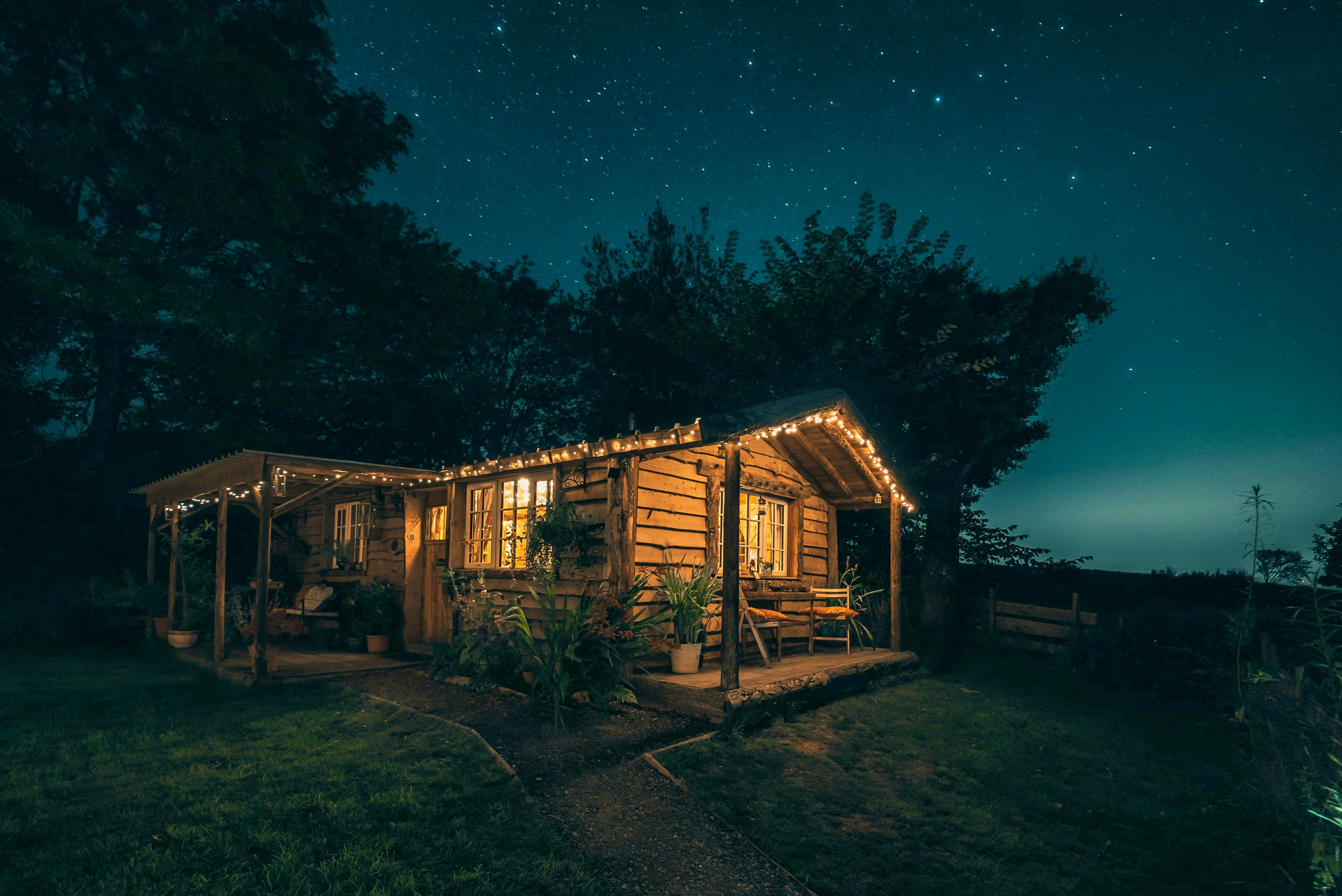
Eco cabins
Across the Coolstays collection, eco-friendly cabins are built with care and intention. Many use renewable energy such as solar power, others focus on high levels of insulation, energy-efficient heating or low-impact construction using natural or reclaimed materials. Wood burners add warmth and atmosphere, lighting is soft and deliberate, and every element is chosen to enhance comfort without excess.
Staying in an eco-friendly cabin gently shifts your perspective. You begin to notice daylight, weather and silence in ways that everyday life often mutes. Evenings are slower — spent cooking simply, reading by lamplight or sitting outside as the stars emerge. Mornings arrive with birdsong, fresh air and the feeling that time has stretched just enough.
Eco-friendly cabins are ideal if you’re craving a reset that feels restorative rather than restrictive. They offer a sense of escape and closeness to nature, paired with thoughtful design and modern comforts — proving that sustainable stays can be as inviting as they are responsible.
Treehouses
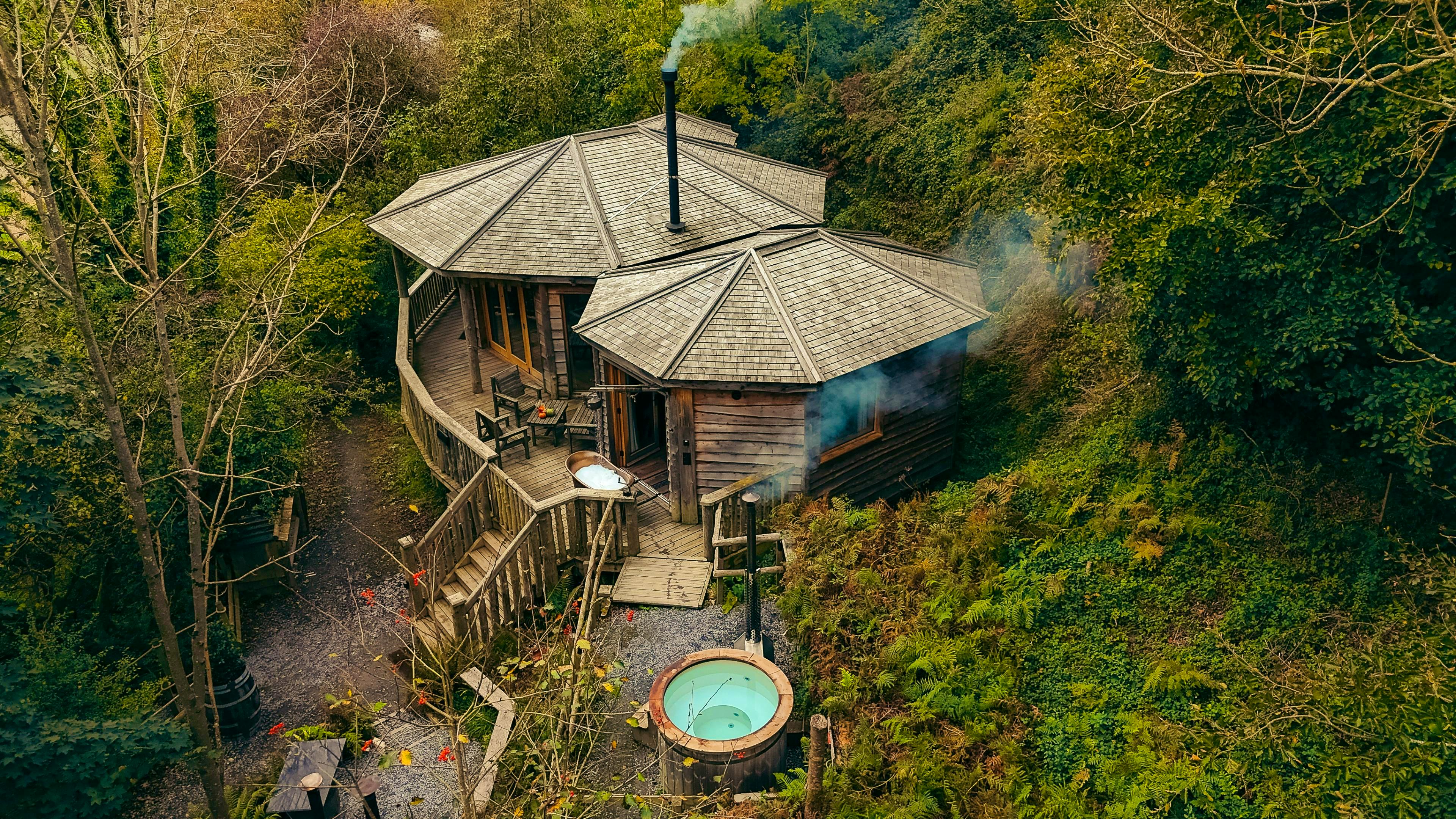
Designed to minimise impact on the land below, treehouses are often built using lightweight structures, responsibly sourced timber and clever engineering that works around the trees rather than through them. Many are off-grid or partially off-grid, powered by solar energy, heated by wood burners, and carefully insulated to stay cosy year-round.
Staying in a treehouse brings you closer to nature in small but meaningful ways. You wake at eye level with birds, watch leaves move with the breeze, and fall asleep to the sounds of the forest rather than traffic or technology. Large windows, decks and outdoor baths blur the line between inside and out, encouraging you to linger and look up.
Treehouses are perfect if you’re looking for something a little bit magical — a stay that feels playful yet peaceful, deeply restorative yet quietly exhilarating. They remind you that sustainable travel doesn’t have to be serious; it can be joyful, imaginative and beautifully light-footed too.
Eco glamping and low-impact retreats
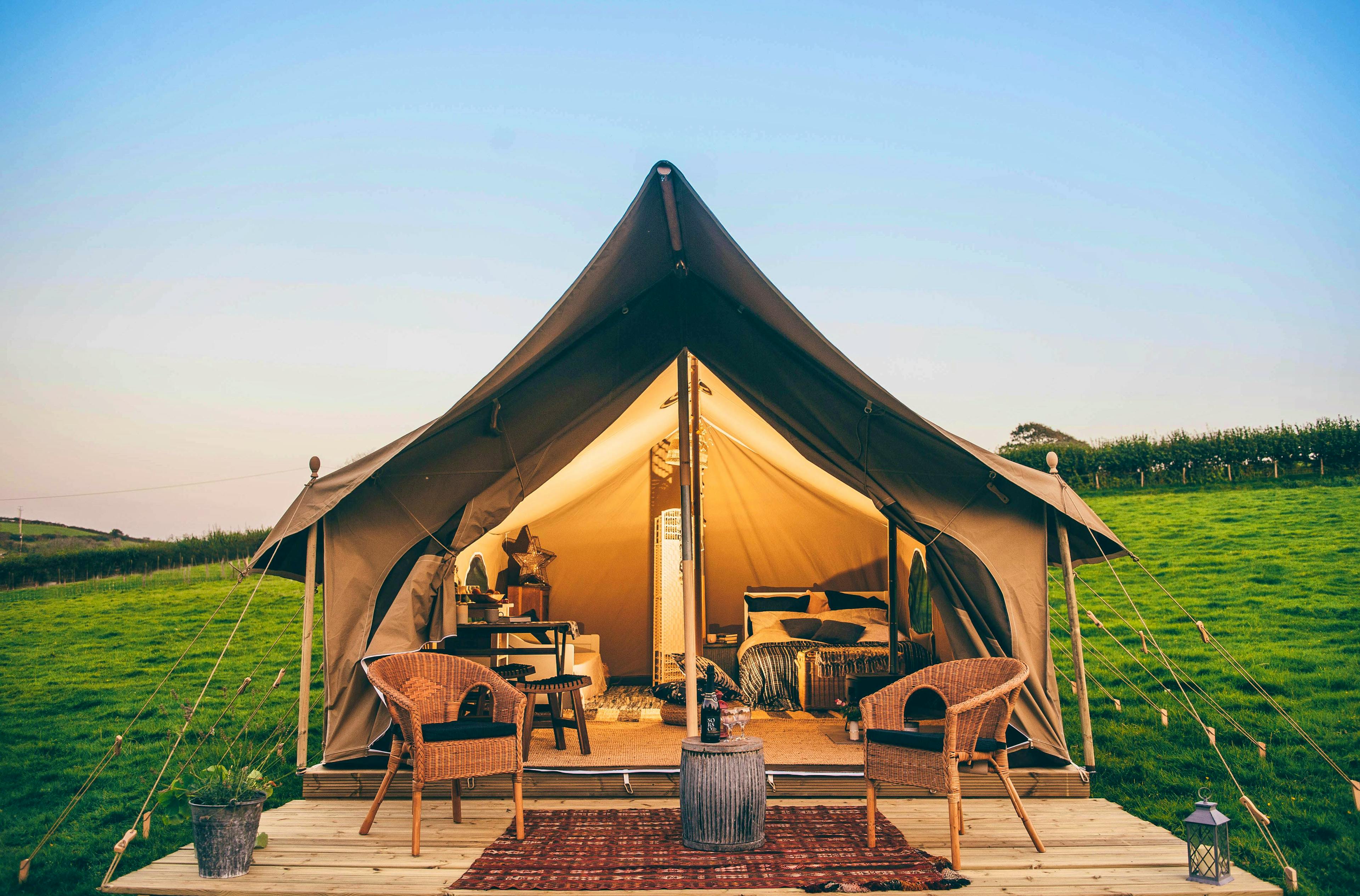
Think safari tents, yurts, and eco lodges, often built on raised platforms to minimise impact on the land. Many use composting toilets, natural insulation, rainwater harvesting and renewable energy, all carefully explained so guests understand how everything works.
Low-impact retreats take this a step further, offering spaces designed for wellbeing as well as sustainability. Yoga decks tucked into woodland clearings, outdoor baths fed by spring water, communal fire pits under dark skies. These are places that encourage presence — whether you’re there for a retreat programme or simply to breathe a little deeper.
They’re ideal if you want to feel close to nature without giving up warmth, comfort or a sense of occasion.
Thoughtfully converted barns and cottages
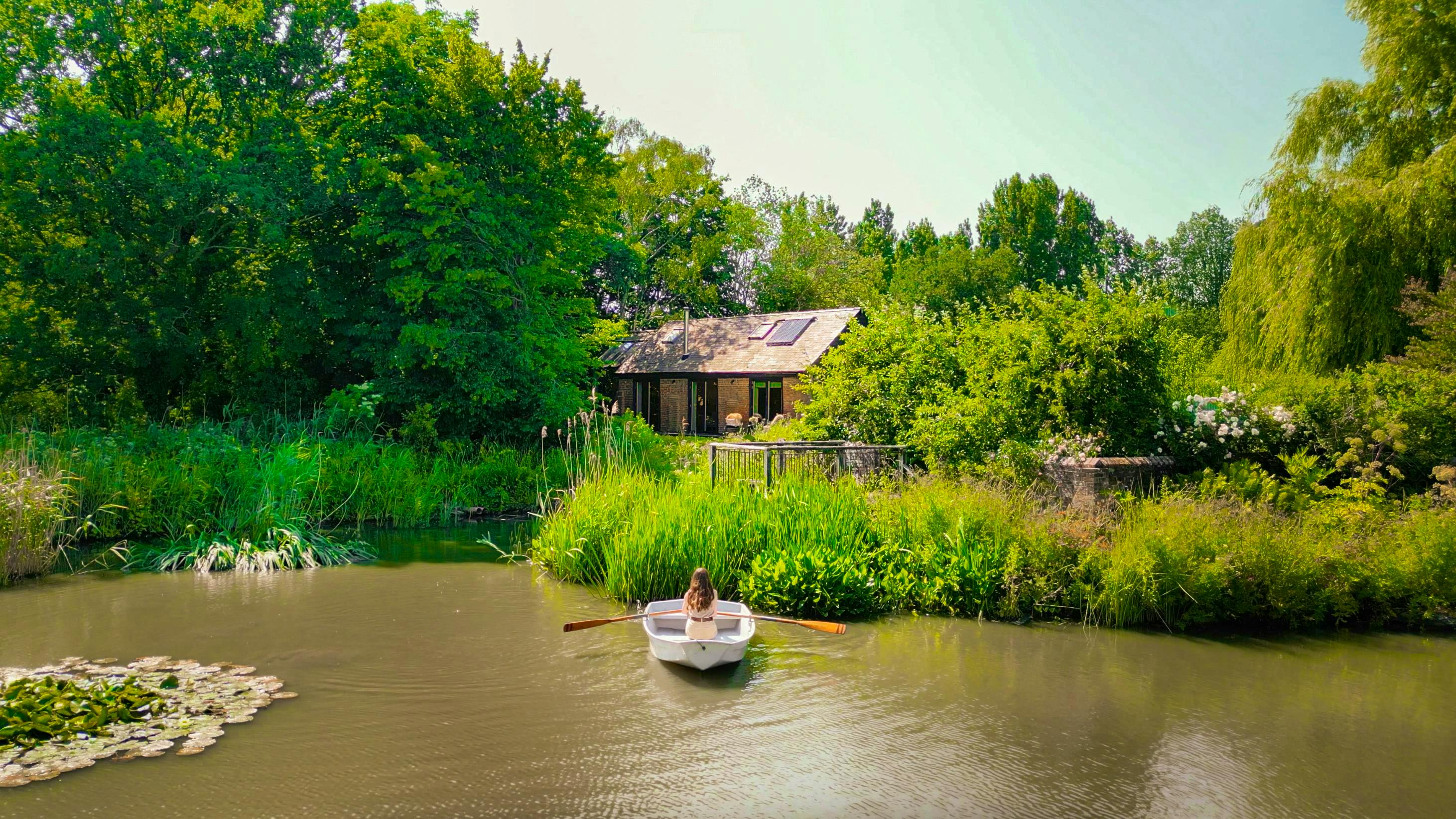
Across the Coolstays collection you’ll find beautifully converted barns and cottages where sustainability is baked into the fabric of the building. Old agricultural structures repurposed instead of demolished. Traditional cottages upgraded with modern insulation, ground-source heat pumps or air-source heating, and energy-efficient glazing.
These stays often use reclaimed materials, lime plaster, local stone and timber, blending old and new with care. The result is somewhere that feels rooted and authentic, but quietly future-facing.
They’re a great choice if you love character and history, want more space, or are travelling as a family or group — while still making a responsible choice about where you stay.
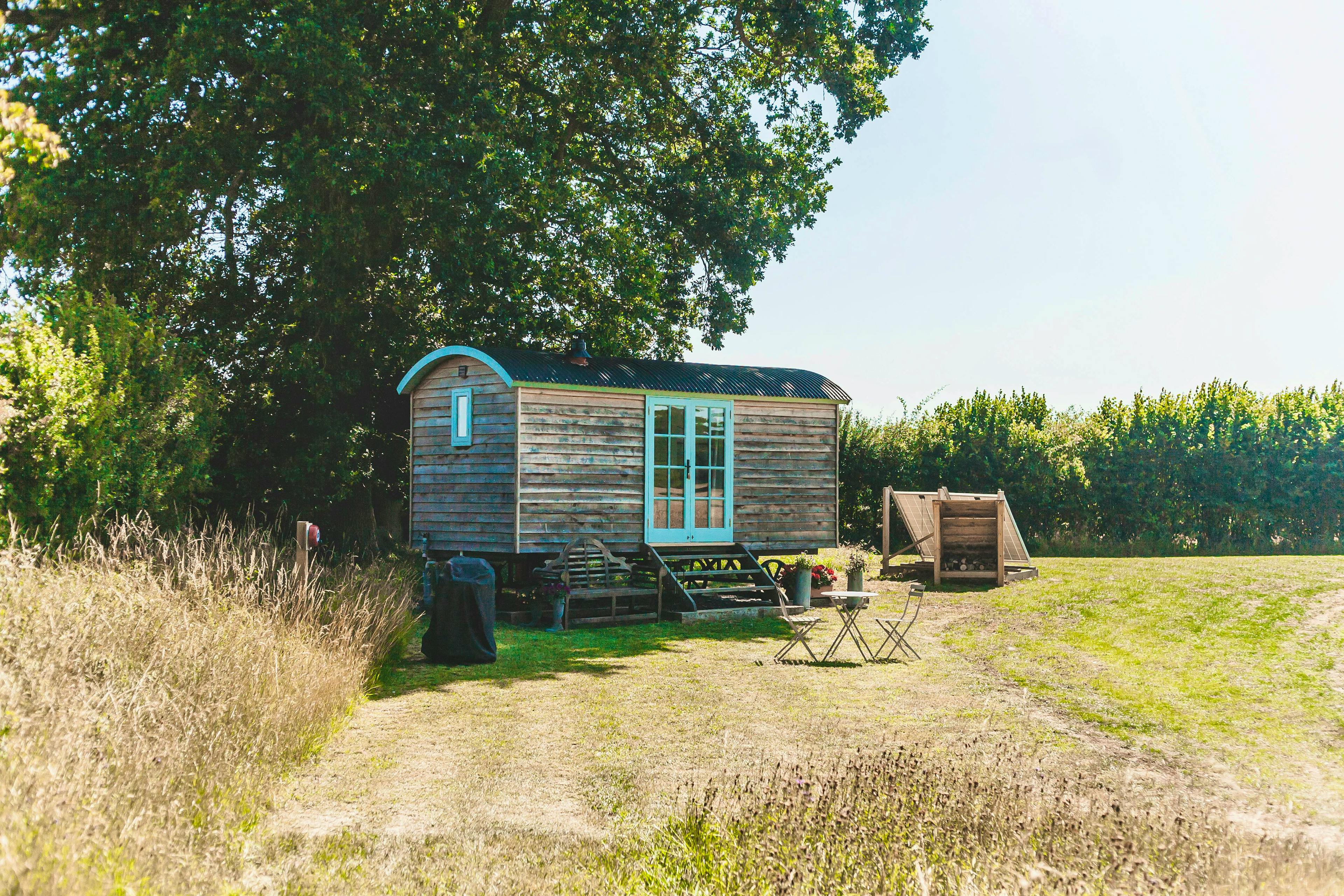
Shepherd’s huts: small spaces, slower living
Many eco-friendly shepherd’s huts are built using sustainable materials and designed to sit lightly on the land. They’re often off-grid or semi off-grid, powered by solar energy, heated by wood burners, and fitted with composting toilets or low-water systems. Their small footprint naturally reduces energy use, while clever layouts ensure the space feels calm, considered and welcoming.
Time moves differently in a shepherd’s hut. Mornings begin with the door flung open to fresh air and wide views, coffee warming your hands as the day slowly wakes up. Afternoons are made for walking, reading or doing very little at all. When evening comes, the glow of the fire and the hush of the countryside draw everything inward.
Shepherd’s huts are perfect for romantic escapes, solo stays or anyone curious about low-impact living without giving up comfort. They offer warmth, shelter and a sense of retreat — a reminder that slowing down often starts with choosing a smaller, simpler place to stay.
Nature-first hideaways in wild locations
You might find cabins on the edge of ancient woodland, huts perched above valleys, or remote retreats where the nearest neighbour is a herd of deer. Access can be via winding tracks or footpaths, and the sense of arrival is part of the experience.
These stays are often deliberately low-key: muted interiors, large windows, outdoor living spaces that encourage you to step outside. Many actively support local ecosystems, with rewilding projects, wildflower meadows, or partnerships with conservation initiatives.
If you’re seeking solitude, inspiration, or a reminder of how good it feels to feel small in a big landscape, these nature-first hideaways deliver it in spades.
Eco-friendly stays on Coolstays focus on low-impact living, thoughtful design and a close connection to nature. This might include renewable energy, natural or reclaimed materials, water-saving systems, or simply a smaller footprint that treads lightly on the landscape.
Not all eco-friendly stays are fully off-grid. Some are, while others use a mix of renewable energy, high-efficiency insulation or low-impact building methods. What they share is a considered approach to sustainability rather than a one-size-fits-all definition.
The collection includes eco-friendly cabins, treehouses, shepherd’s huts, low-impact glamping, thoughtfully converted barns and cottages, and nature-first hideaways in wild locations.
Many eco-friendly stays are designed to be comfortable in all seasons, with wood burners, good insulation and clever design. Each property page explains what to expect, so you can choose a stay that suits the time of year you’re travelling.
Not at all. Eco-friendly stays on Coolstays are chosen for their design and comfort as much as their green credentials. Expect cosy interiors, thoughtful layouts and memorable settings rather than a back-to-basics experience.
Each property page clearly outlines its eco credentials, from renewable energy and water systems to building materials and land management, so you can make an informed choice.
Yes. Eco-friendly stays work just as well for a weekend reset as they do for a longer escape. Even a short stay can offer a chance to slow down and reconnect with nature.
When you enquire through Coolstays, you’ll message the owner directly and book with them, with no booking fees or commission added. This supports small, independent businesses and keeps the process simple and transparent.